- +91-9940539135
- drkkbrainsurgeon@gmail.com
Specialist Neurosurgical Care
Brain and Spine Neurosurgery – Patient Information in Chennai
Information about brain, spine and nerve conditions, clinical assessment and treatment options. The appropriate approach depends on individual medical evaluation.
Personalised Care
Tailored to you
Advanced Techniques
Latest methods
Treatment Planning
Evidence based
Compassionate Care
We put you first
Brain Tumour Surgery

Back & Neck Pain
Functional Neurosurgery
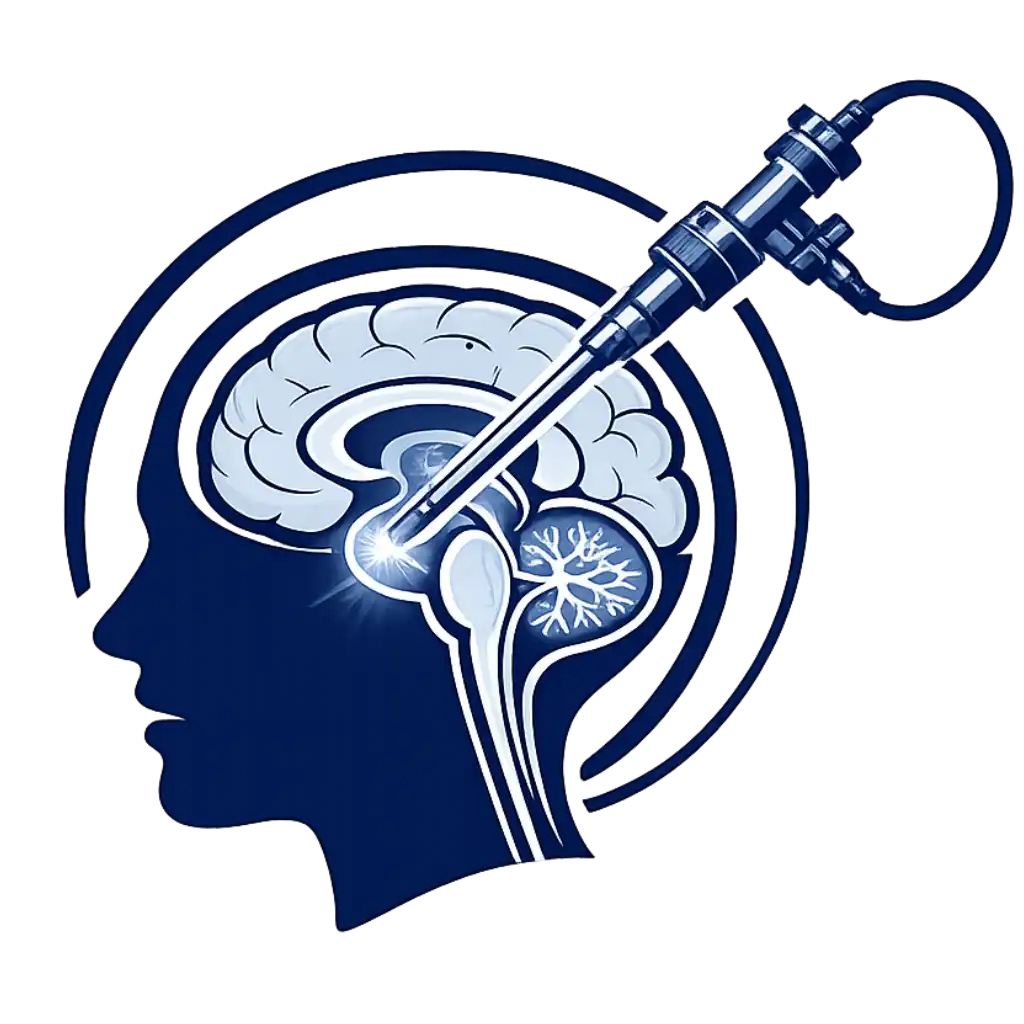
Neuro-Endoscopy
Peripheral Nerve Disorders
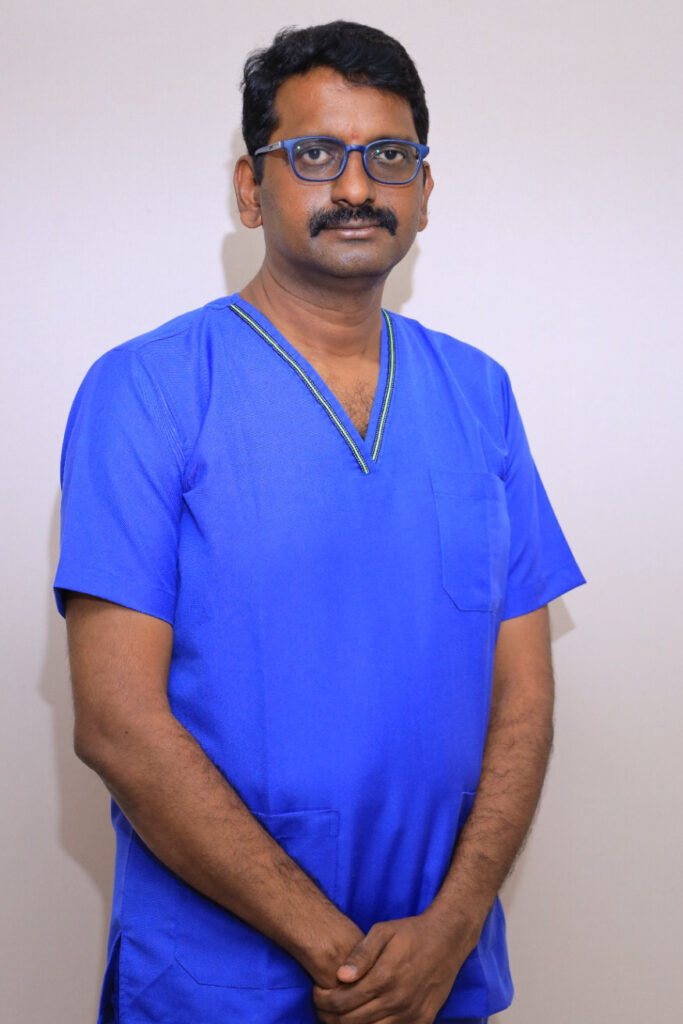
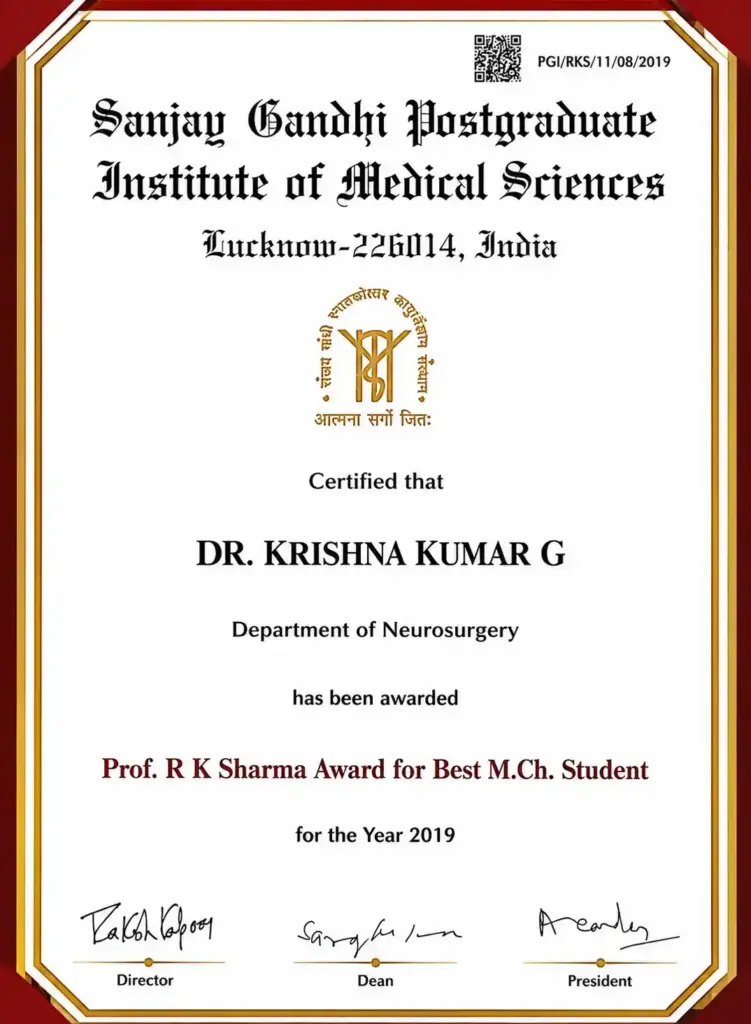
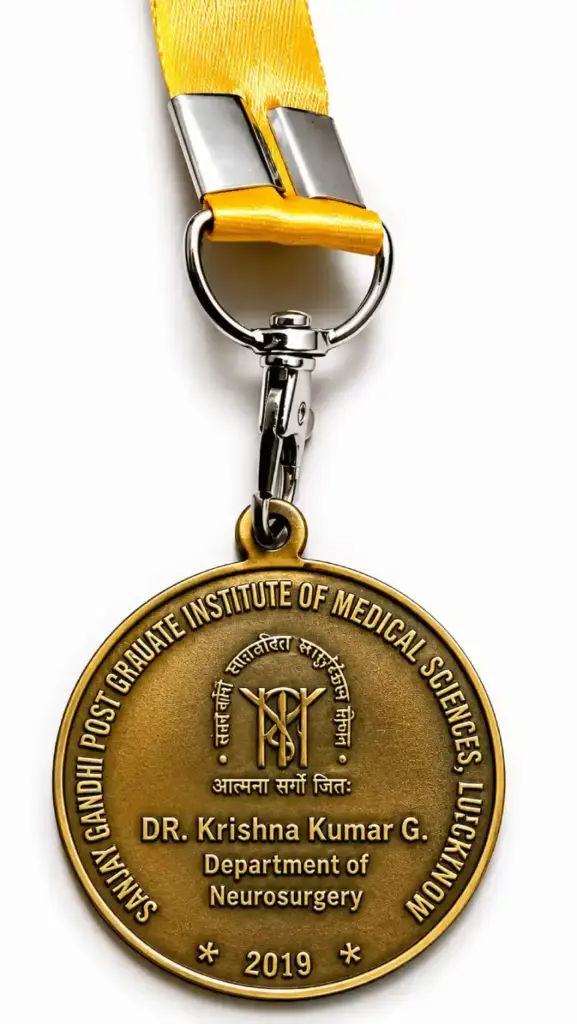
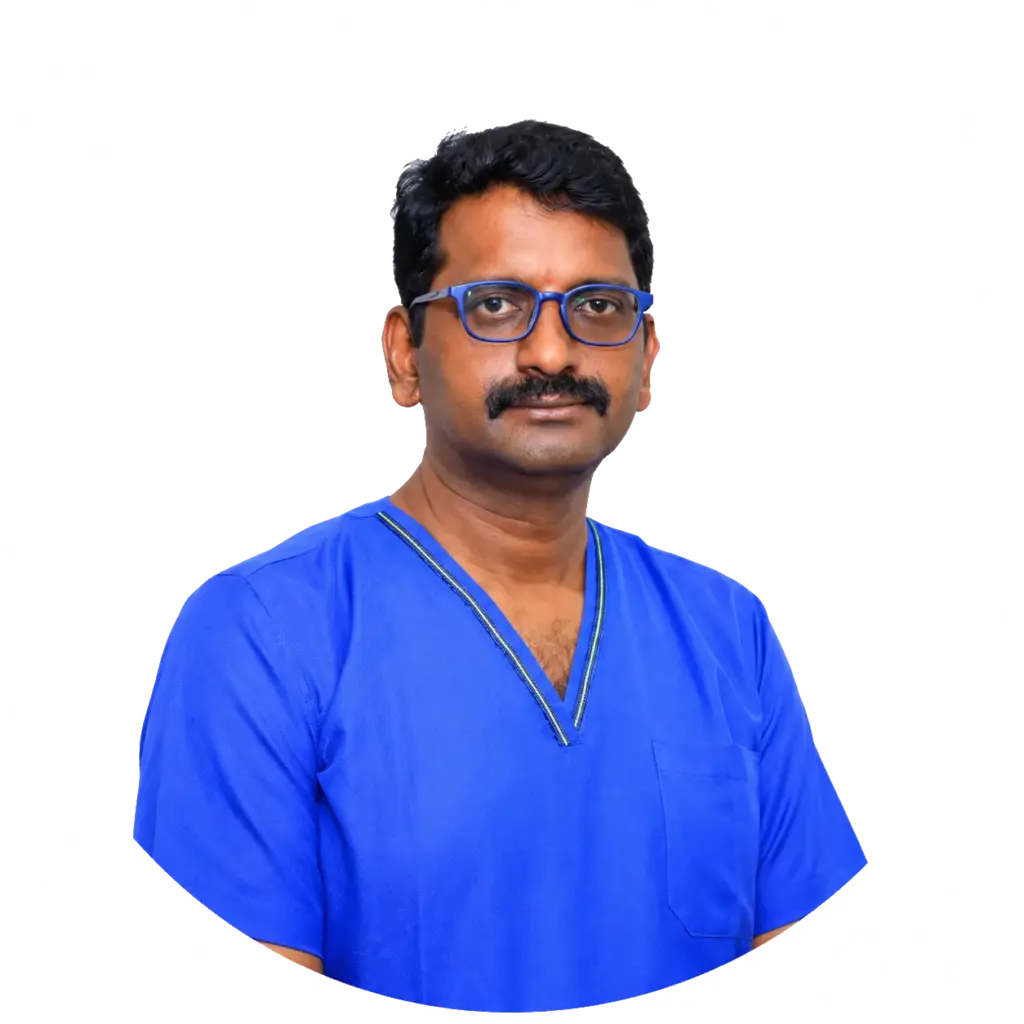
About Dr. G. Krishna Kumar
Consultant Neurosurgeon Chennai
Dr. G. Krishna Kumar is a Consultant Neurosurgeon in Chennai specialising in brain tumour surgery, skull base surgery, neuro-oncology, cerebrovascular surgery, and advanced neurosurgical procedures. He has a special interest in functional preservation during brain tumour surgery, intraoperative neuromonitoring, and multidisciplinary neuro-oncology care.
- Brain Tumour Surgery
- Spine & Minimally Invasive Spine Surgery
- Skull Base Surgery
- Neuro-Endoscopy
- Functional Neurosurgery
- Emergency Neurosurgery
- DBS (Deep Brain Stimulation)
- Peripheral Nerve Disorders
- Vascular Neuro Surgery

Trained
Internationally
Specialist
Neurosurgeon

Compassionate
Care
Evidence Based
Treatment
11+
Years of Experience

5
Major Hospitals Affiliated
Compassionate Approach
Your Journey
Initial Consultation
We listen to your concerns and assess your condition.

Diagnosis
Detailed assessment and imaging review.
Treatment Plan
Personalised plan tailored to you.
Surgery
Performed using advanced techniques.
Recovery & Support
Guided recovery every step of the way.
Urgent Symptoms? Seek Immediate Care
- Sudden weakness or numbness
- Loss of bowel or bladder control
- Severe unexplained headache
- Loss of balance or coordination
- Seizures
Get a Second Opinion
Information about seeking a second medical opinion and preparing relevant medical records.
- Review scans and reports
- Expert evaluation
- Confidential response
About the Neurosurgeon's Clinical Practice
Extensive Experience
Professional experience and neurosurgical training details are provided in the About section. Confirm dates before publishing.
Advanced Technology
Latest equipment and techniques
Patient-Focused Care
Your health and wellbeing is our priority
Collaborative Approach
Working with your healthcare team
Consultation Locations and Timings

SRM Prime Hospital
Ramapuram, Chennai – 600089 Timing: 8:00 AM – 3:30 PM
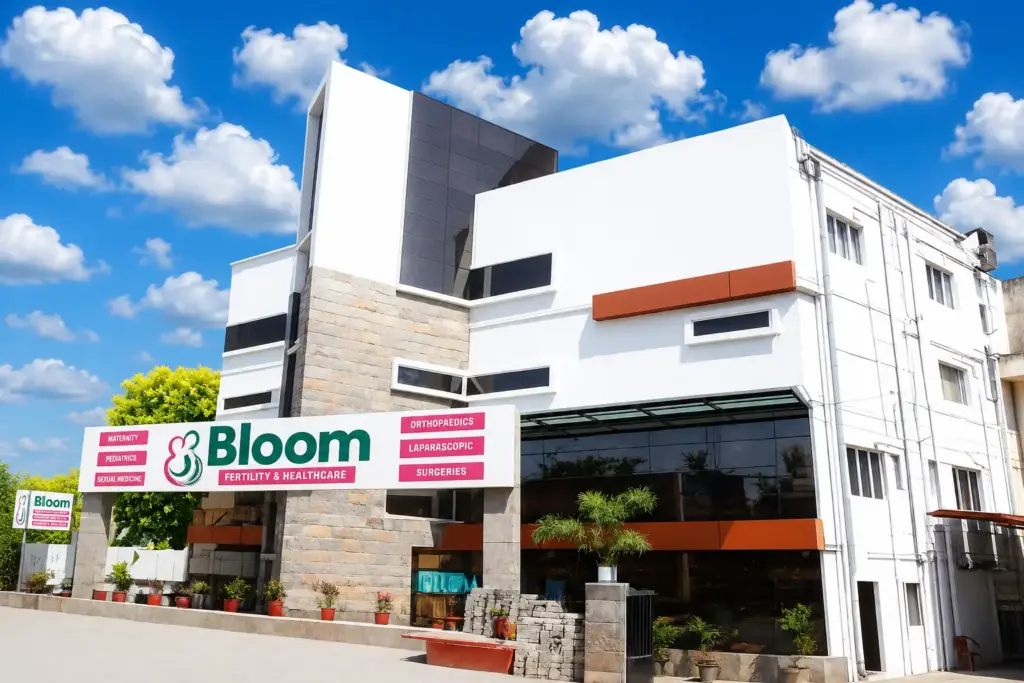
Bloom Hospital
Velachery, Chennai – 600042 Timing: 5:00 PM – 7:00 PM
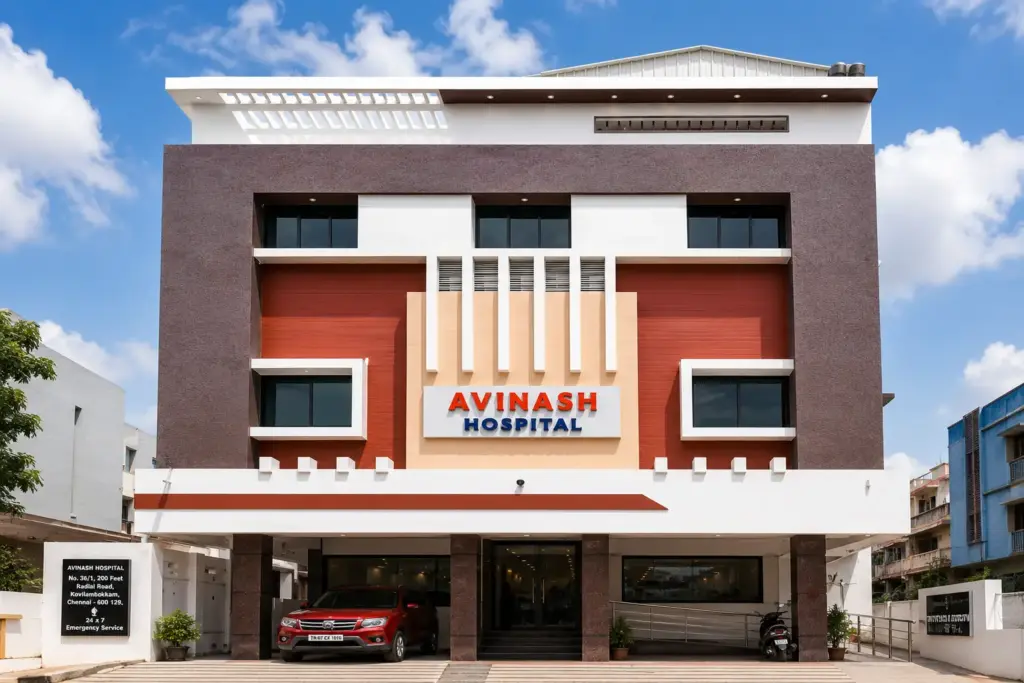
Avinash Hospital
Kovilambakkam, Chennai – 600117 Timing: By Appointment Only (Evening)
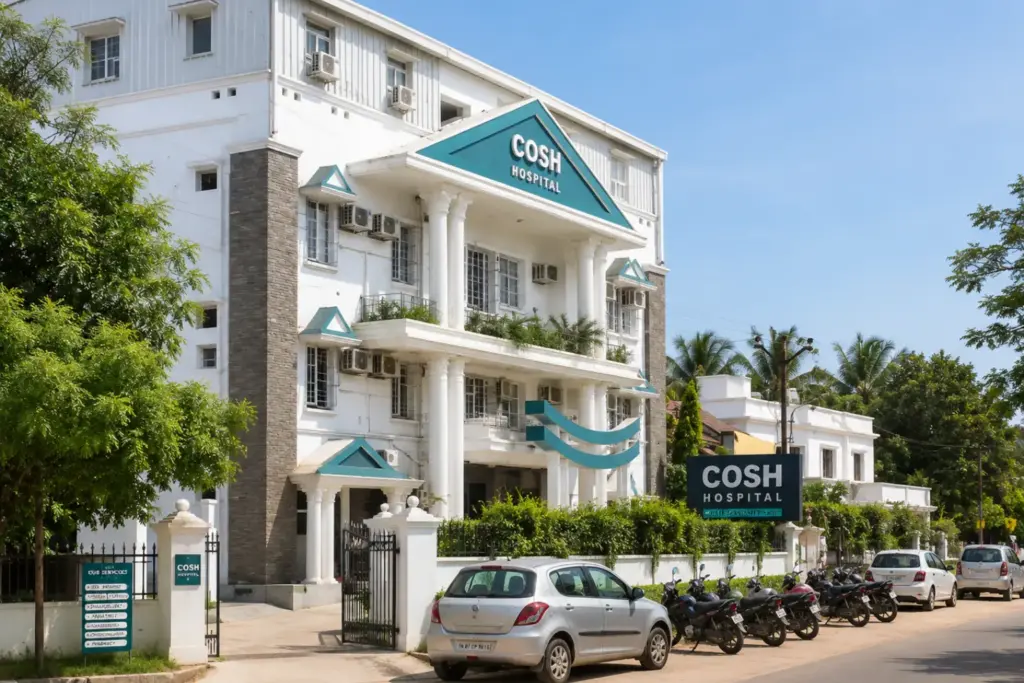
COSH
Hospital
East Tambaram, Chennai – 600059 Timing: By Appointment Only (Evening)
Google Reviews
Posted on Google
 Sindhu Priya
Trustindex verifies that the original source of the review is Google.
I had an excellent experience consulting this doctor. From the first appointment, the care, attention, and clear explanation of the condition made us feel comfortable and confident. The doctor patiently answered all our questions and guided us through every step of treatment. The approach was professional, compassionate, and focused on patient well-being. Truly one of the choices to consider if you are looking for the **best Neurosurgeon in Chennai**. Highly recommended for anyone seeking expert care for brain, spine, and nerve-related conditions.Posted on Google SANTHOSH KUMARHighly recommend Dr. Krishna Kumar G Neurosurgeon, one of the best neurosurgeon doctor in Chennai. He listened to all our concerns patiently and guided us throughout the treatment journey. We are happy with the results and thankful for the care provided.Posted on Google
 Pavithra RDr. Krishna Kumar is an excellent Brain and Spine Surgeon. He explained the condition very clearly and gave us the confidence throughout the treatment process. The surgery and post-treatment care were handled professionally. Very knowledgeable, caring, and supportive doctor. Highly recommended for neurological and spine-related problems 👍.
Frequently Asked Questions
You should consider consulting a neurosurgeon if you are experiencing persistent or worsening neurological symptoms that have not responded to conservative treatments. While your primary care physician or neurologist may refer you, you should seek an evaluation if you notice any of the following:
- Severe or recurring headaches, especially with sudden onset
- Weakness, numbness, or tingling in the arms or legs
- Chronic neck or back pain that radiates to the limbs
- Difficulty walking, loss of balance, or coordination problems
- Loss of bladder or bowel control
- A recent diagnosis of a brain or spinal tumor, herniated disc, or head/spine injury
- Seizures or unexplained changes in vision, speech, or memory
Early consultation can help diagnose underlying conditions and explore all treatment options — including non-surgical approaches — before symptoms worsen.
A neurosurgeon is a specialist trained to diagnose and treat disorders of the brain, spinal cord, spinal column, and peripheral nerves. Conditions commonly treated include:
- Brain conditions: Brain tumors, cerebral aneurysms, hydrocephalus, epilepsy, arteriovenous malformations (AVMs), and traumatic brain injuries
- Spine conditions: Herniated or slipped discs, spinal stenosis, scoliosis, spinal tumors, degenerative disc disease, and vertebral fractures
- Nerve conditions: Carpal tunnel syndrome, trigeminal neuralgia, sciatica, and peripheral nerve injuries
- Vascular conditions: Stroke (hemorrhagic), carotid artery disease, and spinal cord vascular malformations
- Congenital conditions: Spina bifida and Chiari malformation
- Head and spine injuries
Neurosurgeons work closely with neurologists, oncologists, and rehabilitation specialists to provide comprehensive, coordinated care.
No — surgery is not always necessary. Many brain and spine conditions can be effectively managed through non-surgical treatments, and a good neurosurgeon will always explore conservative options first.
Non-surgical approaches may include medications, physical therapy, pain management injections, nerve blocks, or simply careful monitoring over time (watchful waiting). Surgery is recommended only when:
- Conservative treatments have failed to provide adequate relief
- There is a risk of permanent nerve damage or paralysis if left untreated
- A tumor, aneurysm, or structural problem poses an immediate threat
- Neurological function is declining progressively
Every patient’s situation is unique. Our goal is to offer you the most effective, least invasive treatment possible to restore your quality of life.
Nerve-related problems can present in a variety of ways depending on which nerve or region of the nervous system is affected. Common symptoms include:
- Burning, tingling, or “pins and needles” sensations in the hands, arms, feet, or legs
- Numbness or reduced sensation in a specific area of the body
- Sharp, shooting, or electric-shock-like pain
- Muscle weakness or difficulty gripping objects
- Loss of reflexes
- Sensitivity to touch — even light contact may feel painful
- Muscle twitching or cramps
- In severe cases: loss of bladder or bowel control
These symptoms may be constant or intermittent and can range from mild to debilitating. If you notice any of these signs persisting for more than a few days, it is important to seek medical evaluation promptly.
Spinal disorders can affect people of all ages and often develop gradually. Warning signs that may indicate a spinal problem include:
- Persistent neck or back pain that does not improve with rest
- Pain that radiates from the neck into the arms or shoulders (cervical radiculopathy)
- Pain radiating from the lower back into the buttocks, thighs, or legs (sciatica)
- Stiffness and reduced range of motion in the spine
- Visible deformity such as abnormal curvature or a hunched posture
- Weakness in the legs, making it difficult to stand, walk, or climb stairs
- Heaviness or dragging sensation in the legs while walking
- Sudden loss of bladder or bowel control — this is a medical emergency and requires immediate attention
Do not ignore these symptoms, especially if they are new, progressive, or accompanied by unexplained weight loss or fever. Early diagnosis leads to better outcomes.
Recovery time after neurosurgery varies greatly depending on the type of procedure, the condition being treated, the patient’s overall health, and age. Here is a general guide:
- Minimally invasive spine surgery (e.g., microdiscectomy): Most patients return home within 1–2 days and resume light activities within 2–4 weeks.
- Lumbar or cervical fusion surgery: Hospital stay of 3-5 days. Recovery typically takes 6 weeks to 3 months, with full return to normal activity possible within 6 months.
- Brain surgery (e.g., tumor removal): Hospital stay of 3–7 days, with full recovery ranging from a few weeks to several months depending on complexity.
- Emergency neurosurgery: Recovery is highly individual and may involve extended
Throughout your recovery, our team will guide you with a personalized rehabilitation plan, regular follow-up appointments, and support every step of the way. Most patients experience significant improvement in their symptoms well before full recovery is complete.
Ready to take the next step?
Book an appointment today and take the first step towards feeling better.
Providing advanced neurosurgical care with compassion, precision and commitment to better outcomes.
Quick Links
Patient Info
- Patient Guide
- Insurance
- FAQs
- Testimonials
Our Hospitals
- Bloom Hospital
- SRM Prime Hospital
- Avinash Hospital
- COSH Hospital
Contact Us
- +91-9940539135
- drkkbrainsurgeon@gmail.com
- Mon - Sat (6.00 am - 9:00 pm)
Address
- 1. SRM Prime Hospital Ramapuram Chennai - 8 to 3.30pm
- 2. Bloom Hospital Velachery 5-7pm
- 3. Avinash Hospital Kovilambakkam by appointment only in evening
- 4. COSH Hospital East Tambaram by appointment only in evening
© 2026 drkrishnakumarneurosurgeon. All Rights Reserved.
- Privacy Policy
- Terms & Condition
- Website by ZovoWorks